
From Cartel Manhunt to Covert War
The Power of the DogThis thread follows the widening conflict from a drug investigation into a struggle involving cartel violence, government protection, covert operations, and a final confrontation over who can define justice.
increasing Bearing strength in each event
 decreasing
Bearing strength in each eventdecreasingA Network Beyond the Law
A Network Beyond the Law
Evidence meets denial
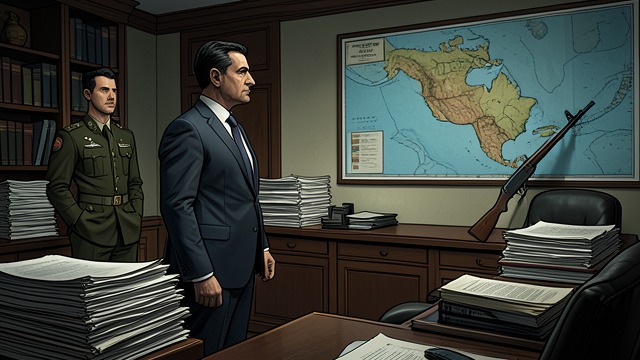
Art observes shipments that connect Mexico to Colombian cocaine, yet official accounts insist the Mexican drug problem is finished. His work runs into bureaucratic resistance, compromised local authorities, and an intelligence community unwilling to discuss the routes.
Pressure without a clear opponent
Art responds by building partnerships with American agencies and publicizing seizures through their separate jurisdictions. These actions put pressure on traffickers but also reveal that the conflict is protected by more than corrupt police. The opponent is becoming a system: a network of cartel operators, officials, intelligence assets, and political interests.
A Captive and a Political Crisis
A Captive and a Political Crisis
The search escalates
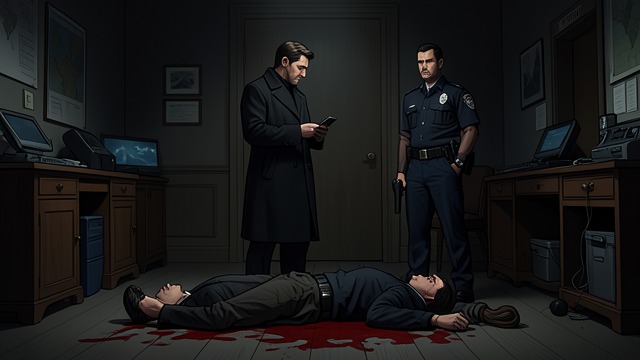
After Ernie Hidalgo is abducted, Art demands action from Mexican authorities and threatens to expose their complicity. Federal agents search Barrera sites, while the United States applies economic and diplomatic pressure. The seizure of a major cache demonstrates the scale of the trade but does not rescue Hidalgo.
A personal loss becomes leverage
Hidalgo is tortured and killed before Art can secure his release. His death gives the conflict a lasting personal center, while the political reaction reveals how quickly the struggle can move from policing to national crisis. Art’s pursuit of those responsible becomes entangled with decisions about what the American government will conceal.
The Covert Alliance Revealed
The Covert Alliance Revealed
A rescue changes direction
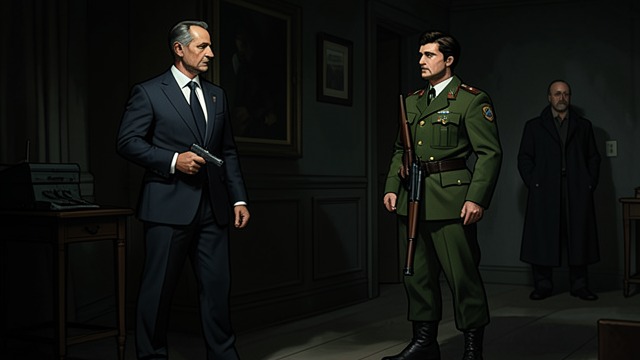
Art travels with Antonio Ramos to seize Miguel Ángel Barrera, expecting an arrest that can be processed through official channels. Instead, Sal Scachi and American-backed forces intervene, take control of the operation, and make clear that Barrera’s relationship with covert American activity protects him.
Choosing the machinery
Art learns that cocaine traffic and weapons transfers support a campaign against left-wing insurgents. Rather than expose the operation immediately, he accepts cooperation with John Hobbs in exchange for help pursuing the people connected to Hidalgo’s death. His choice keeps the investigation alive while placing him inside the covert system he had hoped to oppose.
A Public Justice Demand
A Public Justice Demand
Evidence seeks an audience
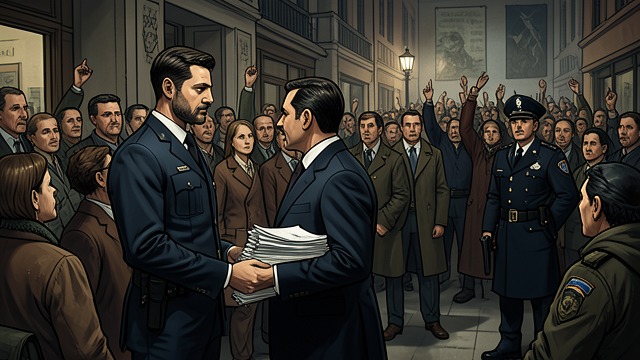
Cerro delivers evidence linking Mexican political leaders, the Federation, and covert operations. Juan Parada weighs whether the material should go to the Vatican, the Mexican opposition, or Art; before it can produce public accountability, Parada is killed in the airport ambush.
Public outrage, official containment
Thousands chant for justice at Parada’s funeral, but the government advances a mistaken-identity explanation while raids and arrests serve the appearance of a crackdown. The conflict becomes a contest over public truth: the crowd demands accountability, while political and cartel interests work to keep the killing contained as an isolated error.
The Bridge and the Cost of Truth
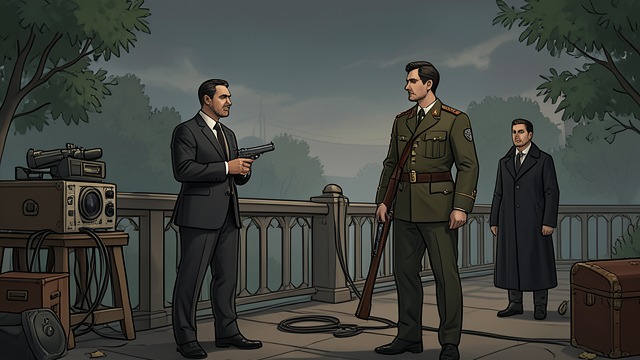
The Bridge and the Cost of Truth
A covert operation reaches its limit
The discovery of an arms-for-cocaine arrangement gives Art grounds to pursue Adán, but institutional pressure steers the operation toward a covert sanction rather than a public trial. On Cabrillo Bridge, Art refuses the proposed handover and exposes himself to retaliation when he turns on the men arranging it.
The conflict becomes public choice
The confrontation ends with Adán captured at the fountain, but Art’s larger choice is whether to accept another hidden bargain or allow the evidence to surface. He opts for prosecution and truth, despite the likely personal and political cost. The novel leaves the institutional conflict unresolved: exposure is promised, while later investigations and official accountability remain uncertain.
1984, as Art investigates Guadalajara shipments
January 1985, after Ernie Hidalgo disappears
1985, during the El Salvador raid
1992–1994, from Cerro’s dossier to Parada’s funeral
1997–1999, from the arms raid to Adán’s capture
